|
|
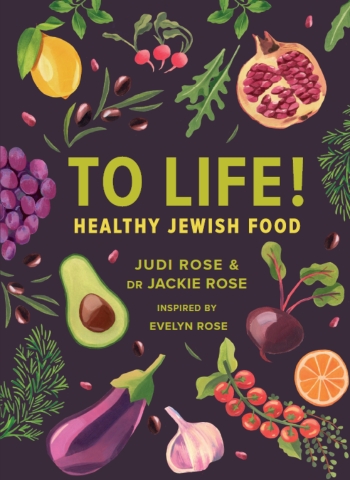
Hardback - 304 full-colour pages Published Summer 2020 This gorgeous book is packed with brilliant food photographs and advice on how to follow a healthy Mediterranean-style diet, lose weight and keep it off. Judi Rose, daughter of the legendary Jewish food writer Evelyn Rose – whose books have inspired generations of cooks – and her cousin Dr Jackie Rose, a GP nutritionist, meld over 100 mouth-watering, easy-to-follow recipes with the latest information on diet and well-being. Victoria Prever - The Jewish Chronicle This wonderful book is for anyone who wants to eat well – in every sense of the word. Rebetsin Chaya Reena Zimmerman Filled with tempting recipes and healthy adaptations of Jewish favourites |
This Book is now Out of print but you can still buy the Kindle edition Amazon Kindle |
|
Amazon Reviews ★★★★★ Brilliant. So much more than a cookery book - Pat Moss Even without the healthy eating aspect I love this book for its gorgeous colour photographs of nearly every recipe - it looks more like an art book than a cookery book. Pat Moss ★★★★★ Amazing kosher healthy eating book Beautifully illustrated kosher healthy eating book, with wonderful selection of recipes. Having all the medical advice at the back of the book is a real added bonus. Highly recommended. Linda B ★★★★★ Delicious looking recipes and very useful information An interesting read as well as a very useful reference for recipes and health tips. There are some great twists and healthy substitutes for traditional Jewish recipes, international influences and stylish contemporary ones. ★★★★★ 5 out of 5 stars Highly recommended A wonderful book packed full of delicious recipes,beautifully illustrated and with plenty of fascinating advice on healthy eating. I know I will be referring to this book regularly and it will have a prominent place in my kitchen. Josie Davies ★★★★★ Can’t wait to get cooking, so many delicious recipes A must have cookbook for all levels. Easy to obtain ingredients. A real pick me up during Covid-19. - Francine Levy | ||
TO LIFE! HEALTHY JEWISH FOOD
Vegetarian Food for Carnivores
Sarah McLean
FOR CARNIVORES
ISBN: 9781912419845
Hardback - 162 full-colour pages
Published Dec 2020
Available from
The Great British Bookshop
This unique cookery book can be used by anyone - to reduce their meat intake, to feed vegetarian or vegan friends, or to create vegetarian meals that even carnivores will enjoy.
Easy-to-follow recipes provide a host of popular alternatives to meat dishes, and all without losing any of the flavour. To make things even easier, the ingredients are readily accessible from mainstream supermarkets.
Sarah McLean’s family-friendly meals are based on traditional recipes that most of us know and love.
She has drawn on her experience as chef, nurse and mother-of-three to produce a feast of a book that crosses the boundary between vegetarian and meat-based cookery.
Visit the Authors website
To Life! Healthy Jewish Food
Dr Jackie explains how to help resilience to Covid-19

Prfofessor Philip Calder, Nutrients 2020,12,1181
A healthy diet can't prevent a person from catching Covid-19. Only social distancing and wearing of PPE can do this.
However, the right balance of nutrients in the diet can improve the chance of a milder form of the infection.
Calm Down Inflammation
Any foods which help to reduce chronic inflammation in the body can make a difference.
To Life! - Chapter on Inflammation and IBD explains this in detail.
With inflammation it seems that the immune system is worn out or overworked and no longer at peak performance.
Vitamins A Through to E
You should concentrate on vitamins A, C, D and E.
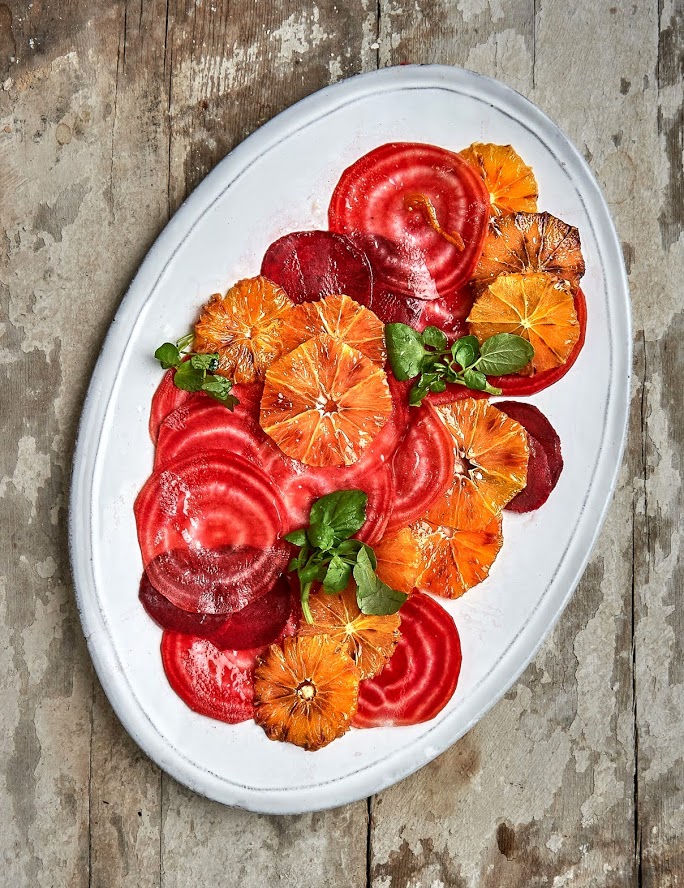
Vitamin A is easily topped up by eating yellow or orange foods, including carrots, citrus fruits, apricots and the most potent source is liver.
Try our recipe for
Vitamin C is readily available in most fruits, especially apples, oranges and kiwi. Peas are fabulous too.
Our
Vitamin D is the sunshine vitamin, so the best way to get more vitamin D is to get out of doors, but otherwise try to eat eggs regularly and/or oily fish.
Try our
(If you don’t often have the chance to get out of doors, consider a vitamin D supplement.)
Vitamin E is simple to get through your diet because it’s present in nuts, seeds, oils and avocados.
Try our
Boost Your B Vitamins
B vitamins are also important for immunity and these are plentiful in wholegrains, pulses, legumes and green leafy vegetables.
Our
The King of Vegetables
Cruciferous vegetables, which have cross-shaped flowers, have great powers for reducing inflammation and also may help to protect against cancer.
These include cabbage (sometimes known as the ‘king’ of vegetables) its ‘cousin’ kale, cauliflower, broccoli, rocket, radishes and mustard.
Kale can be bitter, but if you remove the hard stems and paint or spray with a little extra virgin olive oil and then roast for about 10 minutes, then sprinkle with a little sesame oil, you can make kale crisps, which are nothing loke potato crisps but are delicious served as an appetiser or with a salad.
Our
Snack on Nuts
Key minerals to help your immune system include iron, zinc and selenium.
Nuts and seeds are a wonderful and delicious source of multiple minerals, especially brazil nuts.
Eggs are also a great way to provide zinc and selenium.
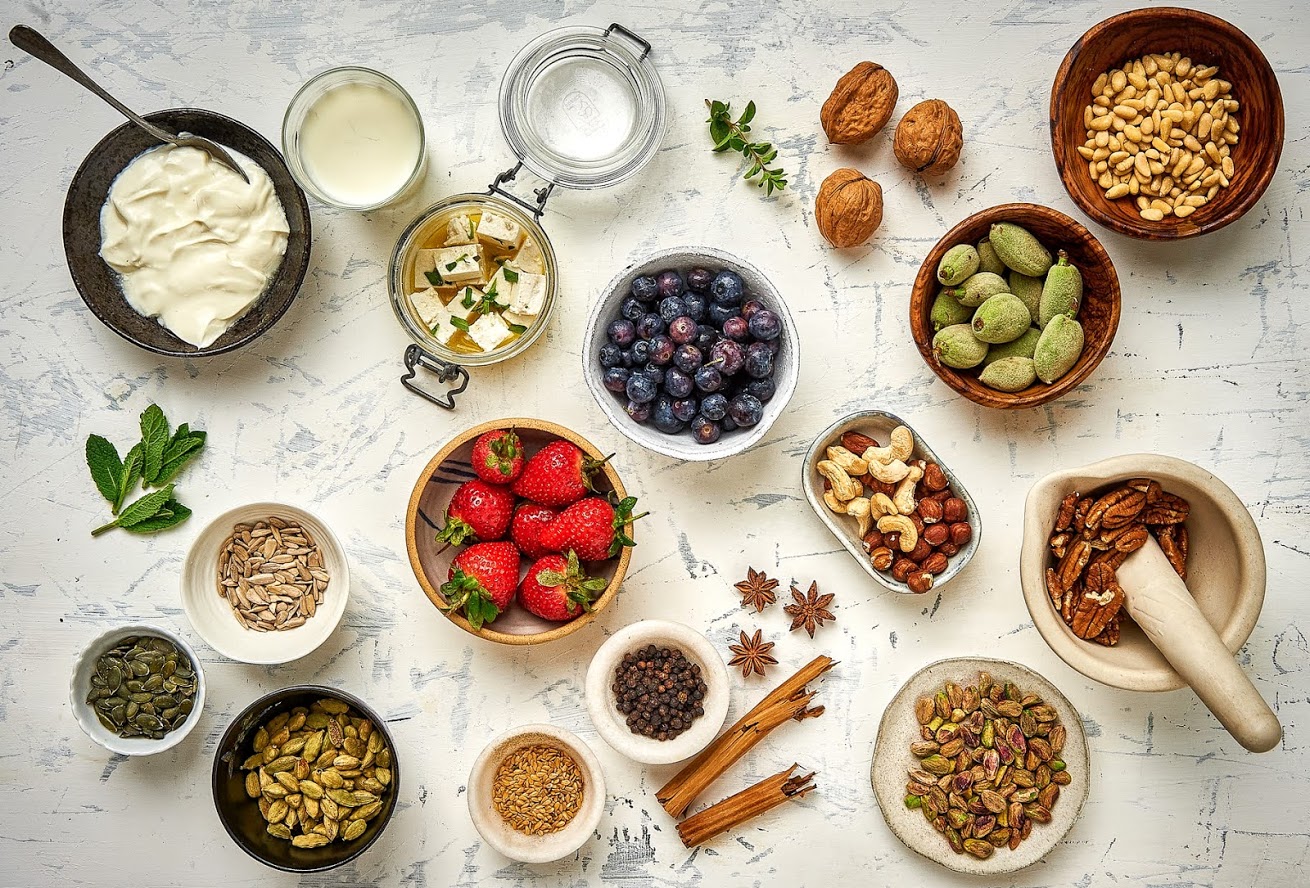
Sprinkle our
Root ginger is also high in zinc and is anti-inflammatory, so thinly slice it and add it to your cooking or infuse it in green tea with lemon.
Count on Omega-3
Omega-3, found in oily fish, such as salmon, tuna, mackerel, herring and sardines is a valuable anti-inflammatory. Vegans can find omega-3 in chia seeds, flax seeds and walnuts etc. but algae oil supplements are more efficient. New research suggests that omega-3 may have a role in prevention of the ‘cytokine storm’ where the immune system goes into overdrive in the latter stages of a coronavirus infection.
Try our beautiful
Herbs, Spices and Salad Dressings
Our book explains that fresh herbs and spices can aid digestion, fight inflammation and be wonderful sources of antioxidants.
Homemade unsweetened salad dressings, made with healthy fats such as extra virgin olive oil, are also high in antioxidants and help absorb the vitamins in vegetables and salad greens.
Also, some herbs and spices have been used for thousands of years to treat inflammation. These include turmeric, cumin, ginger, horseradish, thyme and rosemary.
Garlic also has a special role as it acts as an antioxidant and has a reputation for reducing the risk of virus infections.
Ditch the Sugar
Sugar and white carbohydrates can cause inflammation.
We say that: cutting down on sugar is perhaps the biggest step towards a healthier diet.
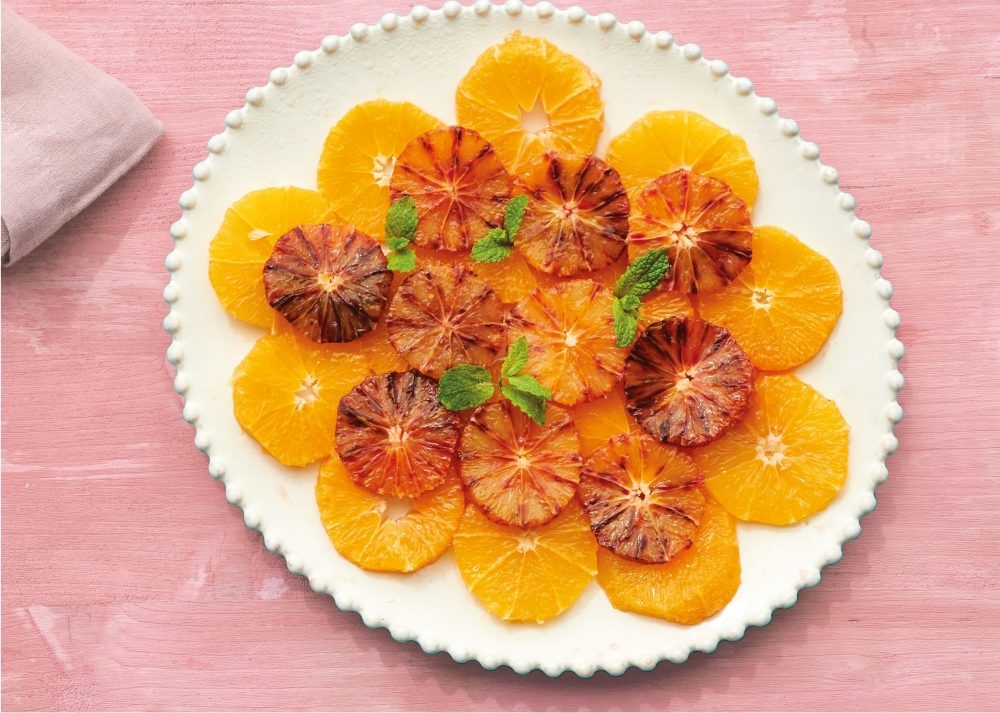
The desserts in To Life! are fruit-based and all have low or no added sugar.
We offer you many ways to reduce the sugar in your diet including making your own sauces, syrups and dressings or giving children raisins, berries, cherry tomatoes or pieces of fruit instead of sweets.
Also, substitute fresh fruit for dessert whenever possible.
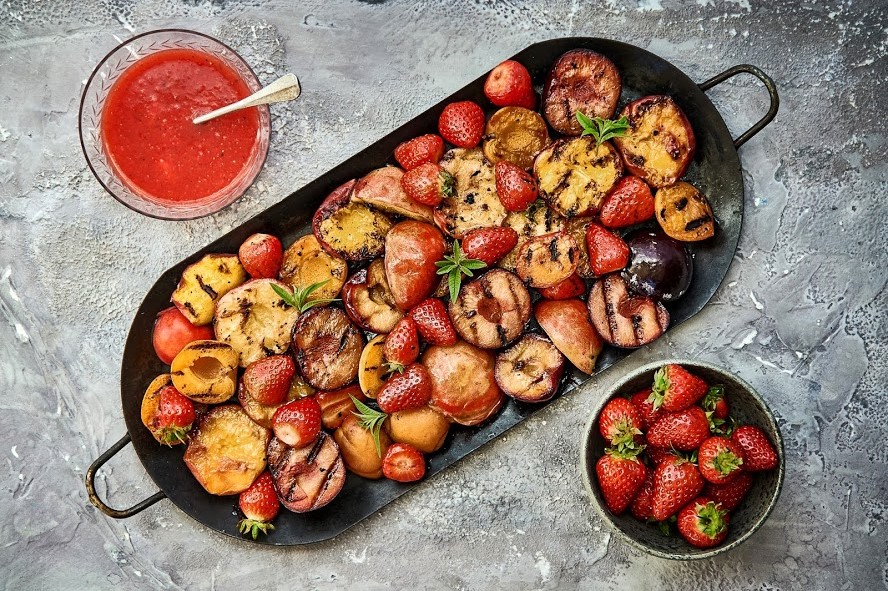
Our
Don’t Have a ‘Bread-Based Diet’
Starchy carbohydrates like bread, pasta, rice and potatoes are all broken down into glucose, raising the blood sugar.
When your sugar levels go up, insulin levels follow.
Too much insulin on a regular basis may increase the number of receptors on our cells which allow the virus entry.
Some people have a ‘bread-based diet’ starting the day with toast, then often sandwiches for lunch and finally maybe even pizza or pasta for supper.
This is a quick route to developing diabetes.
A good strategy is to heap up the protein and vegetables on your plate and leave only a small space for carbs.
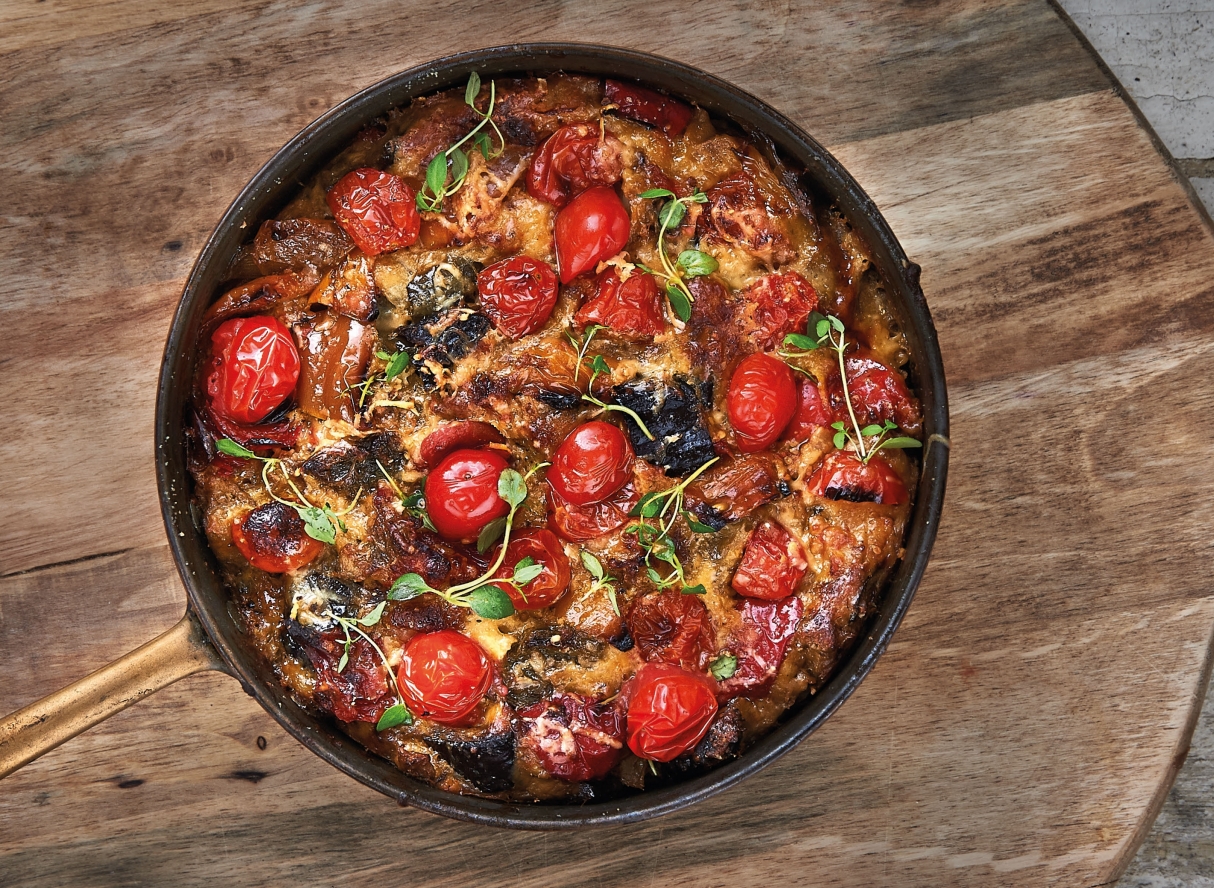
Egg-based meals such as
Feed Your Good Gut BacteriaThe bacteria which live in harmony with us in our intestines (known as our microbiome) have a special role in our immune system.
Prebiotics are forms of fibre which feed our gut bacteria, while probiotics are available in fermented foods, adding to the numbers of beneficial bacteria.
Our
A simple choice is our
To Sum Up
A wholefood Mediterranean-based diet, with minimal sugar and reduced carbohydrates should help to improve your response if exposed to the coronavirus.
Eating fresh home-cooked food is far better than having processed or fast foods.
In addition to this advice it is important to stay hydrated and to exercise regularly.
Judi and Jackie hope you stay safe and well.
Stately Homes Alone
Barry McLoughlin
|
|
The three counties of north west England – Lancashire, Cheshire and Cumbria – contain some of the most handsome and historic country houses in Britain. As they seek to bounce back from the Covid-19 pandemic that has devastated their income, Barry McLoughlin profiles fifteen of the region’s finest stately homes, plus one spectacular castle. They span a millennium stretching from the medieval to the Edwardian, with Tudor, Jacobean, Georgian and Gothic Revival in between. What they have in common is that they are all independently run, whether by the original owning families, or by trusts or local authorities. First featured in Choice magazine, they range from the highprofile, with tens of thousands of annual visitors, to the smaller and quirkier, but their walls are often permeated by centuries of intrigue, politicking, dynastic struggle and religious persecution. The book also features two neo-classical houses off the tourist trail, and one building that has vanished altogether. |
£12.50 (+ £3.50 postage) Available soon from Amazon |
||||||||||||
|
You’ll learn about their history from the author’s richly detailed descriptions, their sometimes eccentric owners, their gardens and ghosts, their restoration and how to visit them. Fully illustrated, the book is the perfect companion on a visit to some of the North West’s most memorable mansions. A journalist, editor and author since 1973, Barry McLoughlin has worked for local, regional and national newspapers and magazines, including four years as editor of Steam World, Britain’s biggest-selling historical railway magazine, and a spell as a parliamentary lobby correspondent at Westminster. He is the author or editor of fourteen books, on subjects ranging from railways to politics. He is a Life Member of the National Union of Journalists. | ||||||||||||||
Music, Diamonds and Conspiracy – Fowkes and friends in India
Bob Fowke
|
Music, Diamonds and Conspiracy
Fowkes and friends in India, 1701-1788 Bob Fowke This book is based on the correspondence of several generations of the Fowke, Holland and Walsh families during the eighteenth century. Closely related to each other, they were representative of the wider British merchant class in this period, growing in wealth and sophistication but, in general, without much landed property. Their fate was closely intertwined with the East India Company and with Robert Clive when he came on the scene, and this book sets them in that wider context. Much of their correspondance ended up in the British Library as the 'Fowke Papers' and the 'Ormathwaite Collection', two of the largest collections of personal letters surviving from the eighteenth century. They were a mixed bunch and included gamblers and fraudsters as well as honest merchants both male and female. What united them was their intellect or their intellectual pretensions, and their curiosity about the world, and in this they were perhaps less representative of their class. |
£11.99 (+ £3.50 postage) Available from Amazon | ||||||||
|
Several were passionate music lovers and instrumentalists, several invented things, for instance systems of shorthand, one became a member of the Royal Society. As the century progressed, they came to inhabit a world of wealthy amateurs but it was still a world of early death and bitter quarrels as well as of pleasure. The women’s letters are especially interesting in this respect. Bob Fowke is a prolific writer of historical non-fiction and children's reference books, published by Hachette, Oxford University Press, Collins and Heinemann. His book, The Real Ancient Mariner, uncovers the identity of the man who shot an albatross and inspired Coleridge's poem, The Rhyme of the Ancient Mariner. |
||||||||||
|
Reviews... Paul Binding, novelist, critic, poet and cultural historian. Bob Fowke generously allows his forebears to speak for themselves so that we readers can get to know them through both their words and their actions, and make our own minds up about the differences between these. At the same time he draws the societies which formed his people and on which they themselves had impact - Britain and India - with admirable informative clarity. A particular feature of the book was its presentation of his characters’ feeling for (and accomplishment at) music. Toby Green, Professor of Precolonial and Lusophone African History and Culture at King’s College London. A fascinating family history. Bob Fowke’s focus on the women involved casts the gendered history of empire in an important new light. This is a book which brings a new perspective onto the English imperial venture in India. Martin Rudwick FBA, Emeritus Professor of History at the University of California, San Diego. CA fascinating insight into the lives of some of those who worked for the East India Company in the 18th century, their wives and families, and their tangled relations with Indian maharajahs, English politicians, and a host of other characters. |
The History of Place Names in England and Worcestershire
Dr Mike Jenkins
|
A ground-breaking exploration of the origins, meaning and history of place names in southern Britain, The History of Place Names in England and Worcestershire throws new light on the people who coined the names and those who later modified them in waves of successive migration. Dr Mike Jenkins’s extensive research is based on an integrated multidisciplinary approach; he collates evidence from: the study of place names, written history, archaeology, anthropology, the evolution of language, genetic population studies, geology and evidence of the environment and natural history of the past. Scenes and settlements are described as if the reader were looking out at them over the centuries from a well known landmark and this brings the research sharply to life. In Part 3, Worcestershire acts as a paradigm for southern Britain as a whole. This closer detail allows Dr Jenkins to demonstrate the extraordinary potential that the study of the origins and meaning of place names holds for our understanding of the folks who lived in a particular area in the past. He includes guidance or a ‘history tool kit’ that the reader can apply to any county or locality of England, thus bringing relevant local history to your doorstep. |
£11.99 (+ £3.50 postage) Available from Amazon | ||||||||
|
Mike Jenkins is a retired medical doctor and medical educationalist of over thirty years experience in both Primary and Secondary (hospital) Care. He has undertaken original research and published many research papers including leading articles in the British Medical Journal and other peer reviewed journals. He has wide experience in writing, lecturing and the development of educational programmes. Over the last thirty years he has enjoyed learning, writing and lecturing on history, anthropology, evolutionary biology and genetics, natural history and toponomy. Indeed, this generalist role has been helpful in collating evidence from such diverse disciplines. |
||||||||||
Writing on Shakespeare’s Walls:The Historic Graffiti in the Guild Chapel, Stratford-upon-Avon
Pamela Devine
|
Writing on Shakespeare's Walls The Historic Graffiti in the Guild Chapel, Stratford-upon-Avon Pamela Devine The historic graffiti in the medieval Guild Chapel in Stratford-upon-Avon gives a wonderful insight into a world where writing on the walls was routine. Barely visible without a torch, it has remained largely unnoticed and unexplored until now, despite the building’s close association with William Shakespeare and his family. The Chapel is unique within Stratford: no other building in the town has such a broad range of historic graffiti. It tells the story of the Chapel and its famous neighbour in a completely new way, shedding light on the innermost thoughts of the people who have come and gone from the building for over five hundred years, some of whom may have been Shakespeare’s family and friends, perhaps even Shakespeare himself. |
£8.50 (+ £3 postage) Available soon from Amazon | ||||||||||
|
The Chapel’s medieval graffiti reveals the hopes, fears and beliefs prevalent on the eve of Shakespeare’s birth; later graffiti reveals the changes in the way the Chapel was used during his lifetime, and changes in belief after the Reformation as graffiti gradually became more about recording a visit or remembrance. The absence of more modern graffiti tells its own story, and reflects the different attitude towards graffiti in churches, particularly as the Victorian period progressed. The walls really do talk! |
||||||||||||
Horses for Life – With foreword by Princess Anne
Pammy Hutton & Islay Auty
|
|
Horses For Life Publication: 15th Nov 2020 UK Sales Only
2 copies: 10%; 3 copies: 15% 4 copies: 20%; 5 copies: 25% Contact: sales@youcaxton.co.uk For Non-UK orders Or Buy now on Amazon |
|||||||||||||||
|
PROFILE of the Authors...
Pammy Hutton FBHS is a Fellow of the British Horse Society, British Dressage Accredited Coach, Judge, an International Dressage rider and trainer. The joint owner with her husband Brian, of the world renowned Talland School of Equitation in Cirencester, Gloucestershire, she is the daughter of the late Colonel & Mrs Sivewright and the mother of two successful riders/trainers Charlie and Pippa. Five decades of international riding and teaching experience all over the world, have included working with Olympic Teams in Italy, Australia and Ireland with numerous
individual coaching successes, some of whom are featured in this book. Her talents include being an able musician, gardener and cook, with a passion for helping the development of youth who share the enthusiasm and love of the horse. Islay Auty FBHS BA(hons)Ed is a Fellow of the British Horse Society, British Dressage Accredited Coach, Coach Educator and Judge. Five decades in the horse industry including running a riding school, producing young horses and competing in all three disciplines, has evolved into her areas of expertise, which are regarded as development of youth and coach education. She has world wide international experience in these fi elds as well as regularly coaching competitive partnerships at home. Mentoring young professionals in the horse industry has become an important part of her life in latter years. She is the author of 14 books. Married to David with one son and two grandchildren, Islay remains passionate about the love of the horse as an enduring part of her life. | ||||||||||||||||